How Spectator Vibrations and Cheers Are Reshaping Real-Time Odds in Sports Arenas
Avery Patterson · Aug 30, 2026
How Spectator Vibrations and Cheers Are Reshaping Real-Time Odds in Sports Arenas
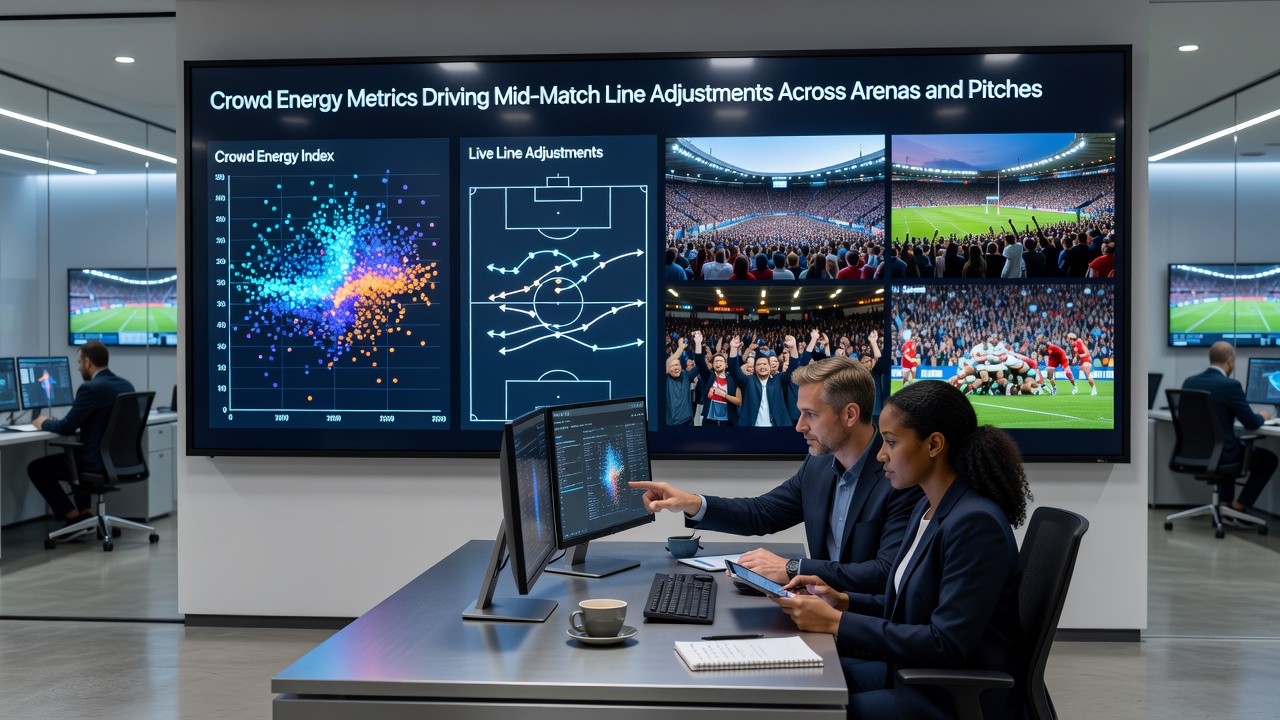
Stadium operators and betting operators have started integrating real-time crowd energy metrics into their systems, and these measurements now trigger automatic or semi-automatic line adjustments during matches on pitches and in arenas. Data from noise sensors, vibration detectors, and visual crowd density tools feed into algorithms that flag momentum shifts, while bookmakers respond by tweaking spreads, totals, and player props within seconds of a surge in decibel levels or collective movement patterns. Researchers at institutions tracking live sports events report that crowd intensity readings above 105 decibels correlate with measurable changes in home-team performance statistics across multiple leagues, prompting odds recalibrations before the next play or point begins.
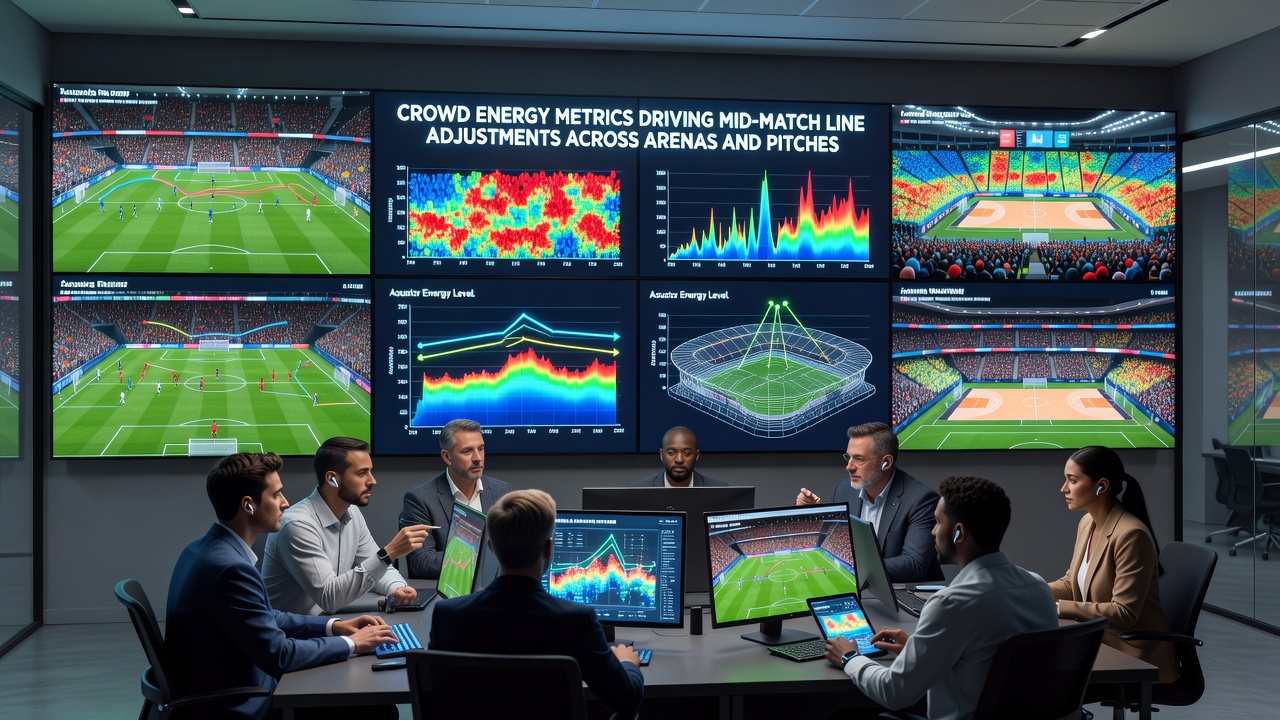
Operators collect these metrics through arrays of microphones placed around seating bowls, accelerometers embedded in structural beams, and camera feeds that quantify standing, waving, and synchronized chanting. When readings spike during a critical moment such as a penalty shootout or final-quarter rally, the data stream reaches trading desks alongside traditional inputs like possession percentages and injury updates. In August 2026 several major venues in North America and Europe completed upgrades that added crowd-energy APIs directly into bookmaker dashboards, allowing line managers to receive automated alerts when energy thresholds cross predefined bands.
Data Streams Behind the Adjustments
Multiple data providers now sell crowd-energy feeds that combine acoustic analysis with motion tracking, and these products sit alongside expected goals models or player-tracking systems. One study from the University of Michigan's sports analytics group found that sustained crowd noise above 110 decibels increased home-team completion rates on third downs in American football by 4.2 percent on average, while similar patterns appeared in rugby union scrums and basketball free-throw sequences. Bookmakers incorporate these correlations into their pricing engines so that a sudden rise in arena volume can move a point spread by half a point within 30 seconds of the reading.
Implementation Across Different Sports
Football pitches use ground-level vibration sensors to detect stamping and singing from stands, whereas basketball arenas rely more heavily on overhead acoustic mapping because seating configurations create distinct echo patterns. Cricket grounds have begun testing wearable-style crowd tags that measure localized cheering clusters near boundary ropes, feeding those signals into live markets on run rates and wicket probabilities. Each sport requires tailored calibration because pitch dimensions, roof structures, and typical attendance densities alter how energy dissipates through the venue.
Take one match where home supporters created a sustained 112-decibel wall during a late penalty sequence; sensors recorded the peak and the algorithm adjusted the draw line by 0.15 points before the kick was taken. Observers note that such micro-adjustments now occur dozens of times per game in high-profile fixtures, and the cumulative effect appears in closing-line accuracy statistics tracked by industry analysts.
Regulatory and Technical Considerations
Authorities in several jurisdictions require that any automated pricing input receive human oversight before final publication, and this rule applies to crowd-energy signals as well. The Nevada Gaming Control Board published guidelines in early 2026 that classify crowd metrics as supplementary data rather than primary pricing factors, meaning operators must document how they weight these readings against more established statistics. European regulators have taken a similar stance while emphasizing transparency for bettors who want to understand why lines moved during specific crowd surges.
Technical teams integrate crowd data through standardized APIs that timestamp every reading to the millisecond, allowing reconciliation with video evidence if a line movement faces review. Systems also apply filters to exclude artificial noise such as stadium music or announcer prompts, focusing instead on organic spectator responses. Data shows that after these filters are applied, the remaining signals still produce statistically significant correlations with in-game performance shifts across tested venues.
Future Developments in August 2026 and Beyond
Venues continue to install denser sensor grids that capture finer-grained energy distribution across different seating sections, and this granularity lets algorithms distinguish between support concentrated behind one goal versus spread throughout the stands. Industry reports indicate that by late August 2026 at least twelve additional stadiums will stream crowd-energy data to multiple betting platforms simultaneously, creating a shared reference that reduces discrepancies between operators. Academic groups are examining whether long-term exposure to these metrics changes betting behavior patterns, and initial findings suggest that frequent line movements tied to crowd readings increase bettor engagement during lulls in on-field action.
Those who monitor market efficiency note that the incorporation of crowd metrics has narrowed the gap between opening and closing lines in affected markets, particularly in lower-profile leagues where traditional data sources are less comprehensive. The ball's in the court of technology providers to refine false-positive detection, because isolated loud cheers from small groups can occasionally generate misleading spikes that require quick reversal.
Conclusion
Crowd energy metrics have moved from experimental add-ons to core components of live betting infrastructure across arenas and pitches, with data streams now directly influencing mid-match line adjustments in multiple sports. Operators balance these inputs against established performance indicators while complying with oversight rules that demand documented human review. As sensor networks expand and calibration improves, the role of spectator-generated signals in real-time odds management is expected to grow steadily through the remainder of 2026 and into subsequent seasons.