Elevation's Quiet Impact: Performance Expectations in High-Altitude Sports Competitions
Willa Bauer · Oct 11, 2026

Elevation's Quiet Impact: Performance Expectations in High-Altitude Sports Competitions
High-altitude venues create measurable changes in how athletes perform across endurance-based sports and this in turn prompts adjustments in pre-event expectations and wagering lines. Locations such as La Paz in Bolivia at roughly 3,650 meters or Mexico City at 2,240 meters have hosted matches where visiting teams record lower distances covered and reduced high-intensity efforts according to tracking data collected by competition organizers. These environments reduce oxygen availability which affects aerobic capacity within minutes of arrival for unacclimatized players while local squads often maintain higher output through repeated exposure.
Physiological Mechanisms Behind Performance Changes
Lower air pressure at elevation reduces partial oxygen pressure which limits hemoglobin saturation and forces the body to increase breathing rate and heart rate to compensate. Studies from sports science institutions show that maximal oxygen uptake drops by approximately 7 to 10 percent for every 1,000 meters gained above sea level in untrained individuals whereas trained endurance athletes experience smaller but still significant declines after partial acclimatization. Power-based actions such as short sprints or throws suffer less direct impact yet overall match fatigue accelerates because recovery between efforts lengthens. Researchers at the Australian Institute of Sport have documented these patterns across multiple altitude training camps noting that repeated exposure over 10 to 14 days allows partial restoration of work capacity through increased red blood cell production.
Documented Cases Across Different Sports
Football matches at high elevation provide clear illustrations. Bolivian national team home games in La Paz have produced win rates above 70 percent against visiting South American sides in recent qualification cycles with data from CONMEBOL showing visiting teams average 12 percent fewer successful passes in the final 30 minutes. Cycling stages that crest passes above 2,500 meters similarly alter expected outcomes as seen in Grand Tour events where breakaways succeed at higher rates than sea-level projections would indicate. In the United States the former altitude advantage at Denver's stadium produced noticeably different scoring distributions in American football with home teams recording elevated offensive yardage totals compared with their road averages at lower venues. Observers note that preparation protocols now routinely include pre-arrival altitude simulation tents or early arrival schedules to mitigate these effects.
Adjustments in Expectation Modeling and Market Responses
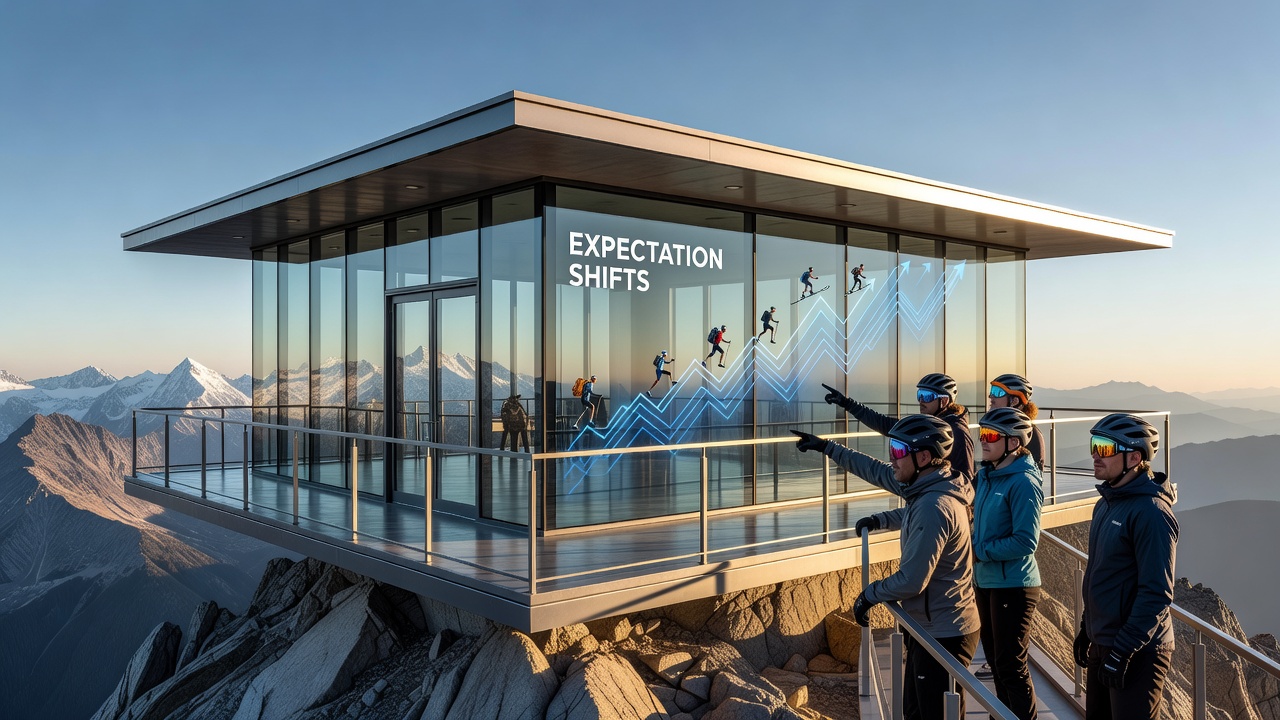
Betting operators incorporate venue-specific historical data when setting initial lines for elevated competitions and this produces noticeable shifts compared with neutral-site or low-altitude fixtures. Performance databases maintained by sports analytics groups reveal that endurance metrics decline predictably while anaerobic actions remain closer to baseline which leads to revised totals for distance covered goals scored or points accumulated. Take one analysis of CONMEBOL qualifiers where matches above 2,500 meters showed an average reduction of 0.8 goals per game in combined scoring compared with lowland fixtures. Market makers therefore adjust over-under thresholds and adjust player prop expectations for stamina-dependent positions such as central midfielders or distance runners. Acclimatization status of each squad further refines these models with teams arriving less than 48 hours prior demonstrating larger performance gaps in post-match statistics.
Training Adaptations and Data Collection Practices
National federations and professional clubs now deploy portable oxygen monitors and GPS tracking during both preparation and competition at altitude to build individualized response profiles. Data collected during the 2025 season and continuing into October 2026 indicates that squads using hypoxic tents for three weeks prior to travel maintain closer to 95 percent of sea-level work rates whereas those without such preparation drop closer to 85 percent. These measurements feed into expectation models used by analysts and create more granular adjustments for live markets as matches progress. European and South American federations have shared anonymized datasets through academic partnerships which allows broader validation of altitude coefficients across different competition levels and climates.
Regional Regulatory Perspectives on Venue Data
Government agencies and industry bodies outside the United Kingdom have begun examining how altitude data influences responsible gambling messaging and market transparency. The Australian Communications and Media Authority has referenced venue-specific performance factors in recent reviews of sports betting disclosures while Canadian provincial regulators have requested additional context around high-elevation events in their quarterly reporting frameworks. Academic papers published through the University of Colorado Sports Medicine program provide open datasets that operators reference when refining risk models for international fixtures. These sources emphasize factual performance differentials rather than prescriptive guidance yet they supply the empirical foundation for updated expectation calculations.
Conclusion
Altitude continues to produce consistent measurable effects on athletic output in endurance-dominant sports and these effects translate directly into revised performance baselines used across competition analysis. Historical records combined with ongoing monitoring programs supply the quantitative inputs that shape expectation models for both teams and market participants. As data collection expands through shared academic and regulatory channels the precision of these adjustments improves while remaining grounded in physiological evidence and venue-specific outcomes.